Welcome to
the institute for Family Services

The Institute for Family Services (IFS) is a team of family therapists committed to producing change that embraces safe, respectful, nurturing and empowering relationships for all individuals, communities & families …


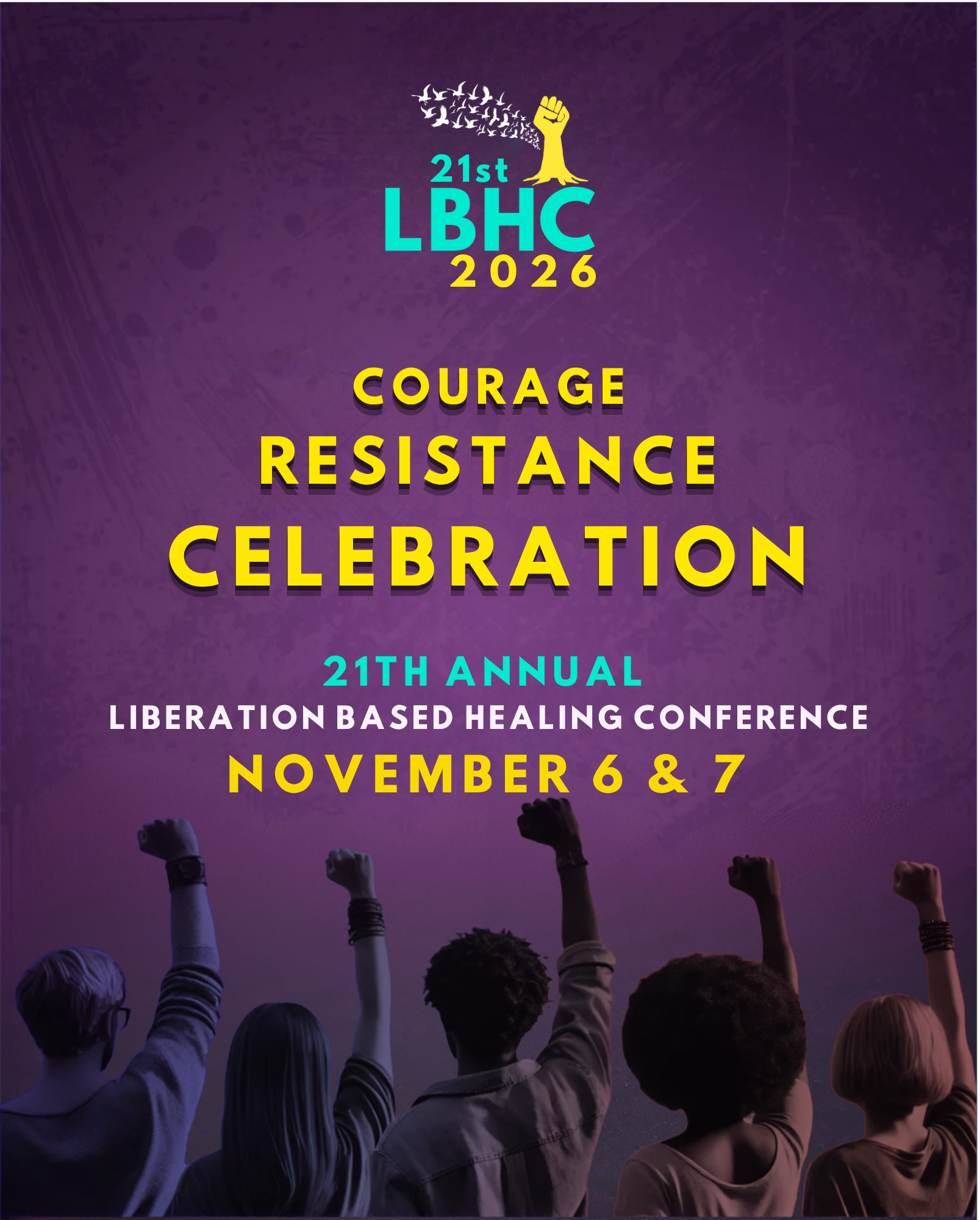
Save the date!

The 20th Annual Liberation Based Healing Conference will be held on November 7th and 8th

View the Event

About us

Transform Lives, Strengthen Families: Welcome to the Institute for Family Services (IFS)

The  Institute for Family Services (IFS) was founded in 1990.  Our dedicated team of family/liberatory therapists is known for creating safe, respectful, and empowering relationships for individuals, families, and communities from diverse backgrounds and lifecycle stages. With decades of experience and innovative programs, we’ve become a trusted name not just in New Jersey, but across the nation.

We transform families and communities through Family Therapy/Client Service, Post-Graduate Training/Internships,  & Our Annual National Liberation Based Healing Conference.

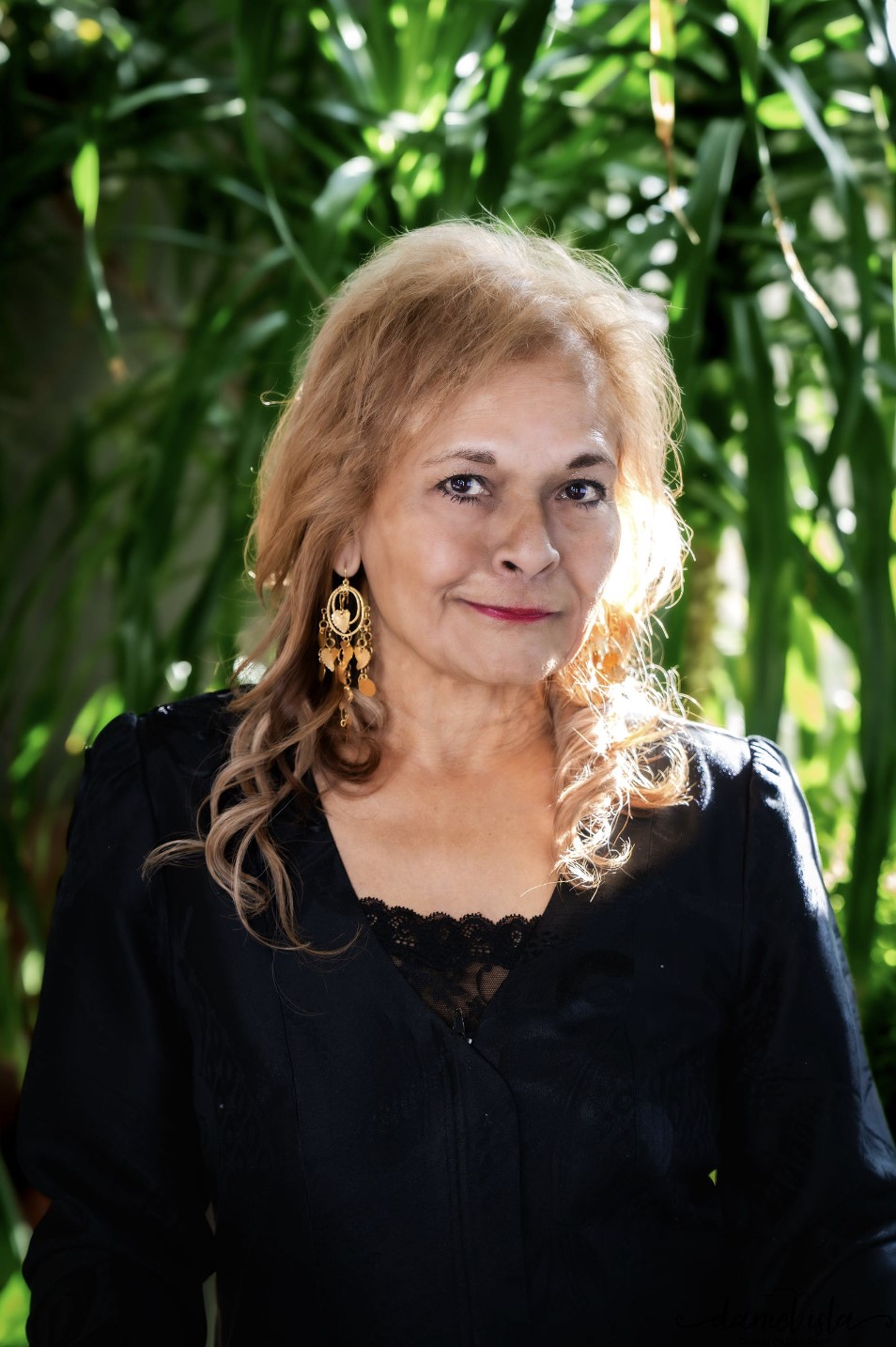
Dr. Rhea Almeida
MS, Ph.D, LCSW, Founder of IFS

Our view of healing & therapeutic practices

Liberation based healing

Dr. Rhea Almeida
MS, Ph.D, LCSW, Founder of IFS

Liberation-based Healing is a combination of practices of therapy grounded in decolonial scholarship, critical social learning, and family therapy interventions. This process of critical learning and dialogue around presenting issues is developed through innovative use of social media, culture circles, and community sponsors. Sponsors are men, women and adolescents who have had transformative experiences with this approach and ally with new clients in their efforts to heal.

The step-by-step building of social capital makes this therapeutic approach sustainable over time. This approach to healing departs from traditional practices of pathologizing clients, or focusing solely on symptom reduction. While being symptom-free is important, therapeutic focus is on building and strengthening foundations of resistance and resilience. Therapists at the Institute work towards creating and sustaining a community of helpers, clientele, friends, and professionals.

“It is not true that people stop pursuing dreams because they grow old, they grow old because they stop pursuing dreams.”

Gabriel García Márquez

Intersectionality & Social Location

Intersectionality refers to the fact that classifications such as race, gender, and class should not be considered in isolation from one another because the dynamics of oppression cannot be easily disentangled (Almeida & Tubbs, 2020).

Instead, it is more accurate to consider a person’s identity as developed at the intersecting points of their gender, socioracial, sexual orientation, socioeconomic, immigration, ability-based, linguistic, health, religious, family, national, and other identities.

Social location refers to considering a person within this complex matrix of identities rather than a single or handful of identities. Considering any one of these identities outside of the context of others impedes meaningful understanding.


Privilege

Privilege refers to social and biological identifiers, such as skin color, biological sex, heritage, age, education, and class, that give an individual special status and advantages when possessed in a given community.

Privilege can take the form of:

  • economic advantages (property and assets)
  • cultural advantages (access to specialized skills and knowledge)
  • social capital (valuable social connections)

Our clinicians strive to recognize how systems of privilege and oppression impact emotional wellbeing, family relationships, access to care, and opportunities for healing.

Decolonizing Practices

The historic processes of colonization involved privileging the social, cultural, and economic capital of colonizers over indigenous peoples, resulting in profoundly invalidating indigenous and colonized peoples’ ways of life.

Colonization represented abuses of power on entire communities and nations, often through controlling institutional narratives informing history, education, and access to resources.

Decolonizing practices seek to liberate clients from these dynamics by reconnecting individuals, families, and communities with their native cultures, knowledges, resilience, and strengths.

In today’s postcolonial era, coloniality can continue through cultural imperialism that restricts rights, resources, and representation for disadvantaged groups while controlling dominant institutional narratives….”

What we do

Therapy services

Our philosophy is to embrace the resilience that all families and individuals bring to therapy and create a landscape of liberation in resolving life’s struggles. We do not define our clients by the particular identity of their presenting problems but rather by their multiple and complex identities.

Family therapy

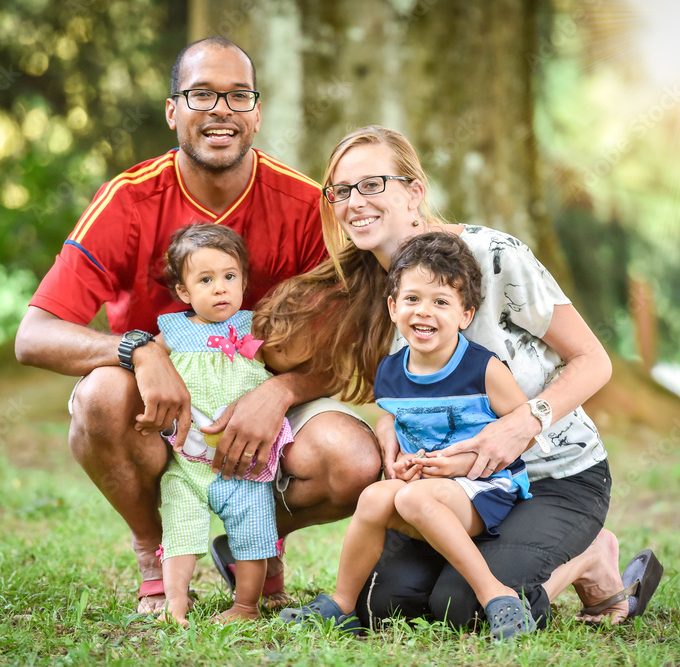
The structure of families today range from the traditional nuclear families, single parent families, extended families, etc. living together, each with different and similar challenges including ...

Post-graduate training/internship

Liberation Based Practice Trainees receive didactic and live supervision in the clinic, working with wide trajectories of families, including Spanish language clients, that are navigating multiple systems ...

Organizational change training

Please contact us if you would like to discuss a tailored workshop for your organization. Our team has experience working with youth & adolescents, educators, social workers and mental health ...

Our Annual Liberation Based Healing Conference

The Liberation Based Healing Conference (LBHC) is an annual, two-day event that brings together scholars, activists, educators, students, staff and community members from all over the U.S. to engage in collective discourse about how coloniality shows up in traditional education and therapeutic models.

Conference

The Liberation-Based Healing Conference

The Liberation-Based Healing conference was first envisioned by Dr. Rhea Almeida, director of the Institute for Family Services in NJ. She and her colleagues, Lisa Dressner, Judy Lockard, Pilar Hernandez-Wolfe, and Andrae Brown developed and expanded the conference over the past years with many others having collaborated with this initiative. They include, Mabel Quinones, Rebecca Chaisson, Judy Lewis, Nocona Pewewardy, Cornel Pewewardy, Marilyn Armour, Gail Rice, Diana Melendez, Jose Paez, Willie Tolliver, Carolyn Tubbs, Mayida Zaal, CMO Tri-County….and the list continues to grow.

The conference grew out of a general disillusionment by scholars and those they were serving, with mainstream conferences in the mental health fields (Social work, Family therapy & Counseling) …

Interesting to know

Our useful and informative videos

Transform your life

Testimonials

Our products

Books & publications